
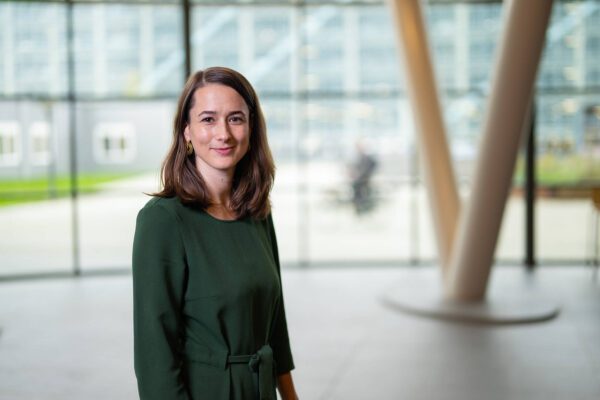
Nienke de Graeff (*)
Associate Professor, Leiden University Medical Center
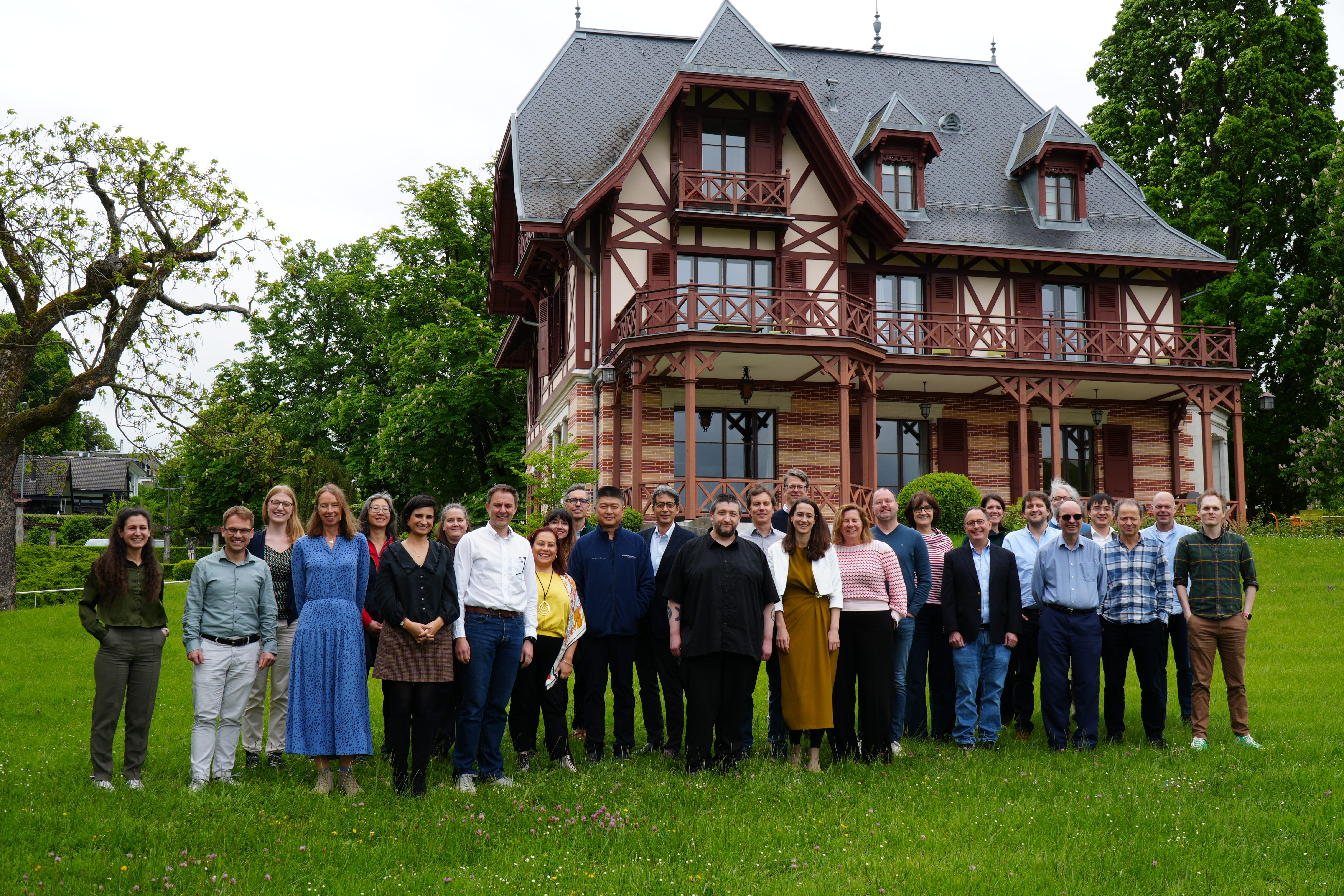
EMERGE was born in Geneva during a workshop at the Brocher Foundation, entitled Research with Human Stem Cell-Based Embryo Models: Defining Ethical Boundaries, where a group of scholars from diverse disciplines—including bioethics, law, and developmental biology—came together to explore the questions emerging from this rapidly evolving area of research. The organizers of this initial workshop are indicated with an asterix (*) below.
SCBEMs offer unprecedented opportunities to deepen our understanding of early human development. At the same time, they challenge existing ethical frameworks, regulatory boundaries, and public expectations about what it means to study and model human life. EMERGE aims to serve as a space where these tensions can be examined constructively and collaboratively.
Through joint initiatives, the network seeks to foster responsible, reflective, and inclusive approaches to SCBEM research that respect both scientific innovation and societal values. Further information about EMERGE, its members, and upcoming activities will be available soon. Please reach out to us in case of any questions or ideas for collaboration, and stay tuned for updates as we build this vibrant community at the intersection of science, ethics, and society.
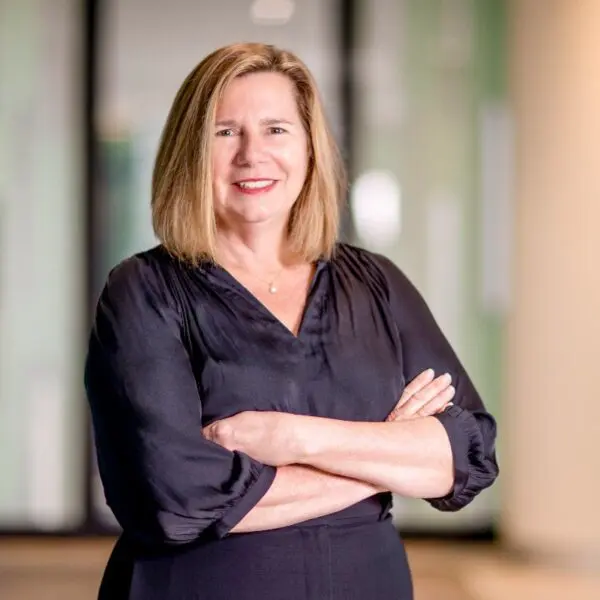
Professor Megan Munsie PhD is a developmental biologist and interdisciplinary researcher who leads research programs into ethical, legal and social implications of stem cell research at the Murdoch Children’s Research Institute and reNEW, the transglobal Novo Nordisk Foundation Center for Stem Cell Medicine. Her research focuses on understanding patient and community attitudes and expectations in regenerative medicine and other emerging technologies. She also examines the role of policy and professional standards to enable responsible translation of stem cell and related research. Findings from her research have influenced policy reforms at a national and international level, and informed the design and delivery of educational resources for patients, healthcare professionals and the general public for two decades. She has served in leadership roles including for the International Society for Stem Cell Research and Australasian Society for Stem Cell Research. Her contribution to advocacy and policy has been recognised by several awards.
David is a bioethicist by background researching ethical, legal, and policy implications of emerging biotechnologies, including neurotechnologies, implantable devices, and human enhancement. He has other research interests in bioethics and the medical law more generally, with a current project focussing on the creation of new lifeforms through synthetic biology. He is an editor for the journals Clinical Neuroethics and Cambridge Quarterly of Healthcare Ethics.
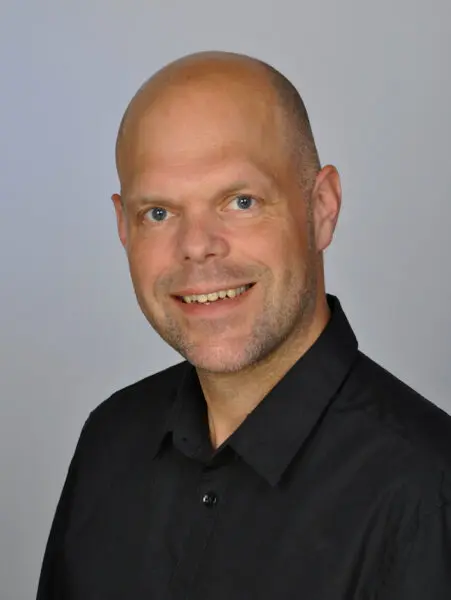
Garðar's research focuses on ethics and philosophy of science and technology, and the philosophy of education.

Richard’s research focusses on the ethical and legal implications of emerging medical and biotechnologies, examining how innovations such as cryopreservation, xenotransplantation, gene editing, and body modification challenge existing moral frameworks and regulatory structures.
Susanne van den Brink pioneered the stem cell-based 3D mouse gastruloids (“embryonic organoids”) model system during her Master’s internship in the Martinez Arias laboratory (Cambridge University, UK, 2012-2013). During her Ph.D. in the Alexander van Oudenaarden laboratory (Hubrecht Institute, The Netherlands, 2014-2020), she characterized mouse and human gastruloids in detail using single-cell and spatial transcriptomics, which resulted in a first somite-forming version of the gastruloids model. She recently completed her postdoc in Barcelona, where she characterized and improved mouse haemogenic gastruloids, which reconstruct embryonic blood development in vitro with spatial and temporal accuracy. In October 2025, she started a short second postdoc in the Cristina Pina lab in Sanquin (Dutch blood bank, Amsterdam), where she plans to develop human stem cell-based embryo models that capture embryonic blood development in vitro.
Sarah Chan is an interdisciplinary bioethicist whose research explores the ethics of emerging modes of biomedicine. She works actively to engage scientists, policymakers, and wider publics in discussions around these issues.
Lien De Proost is a researcher with a background in philosophy and bioethics. She obtained her PhD at Erasmus MC in the Netherlands, focusing on the ethics of extreme prematurity. Her previous work addressed ethical issues related to pregnancy termination, artificial placenta technology, and embryo models. She is currently a postdoctoral researcher at the Department of Pharmaceutical Sciences at KU Leuven, Belgium. Her interdisciplinary research profile centers on perinatal ethics, reproductive ethics, and care ethics.
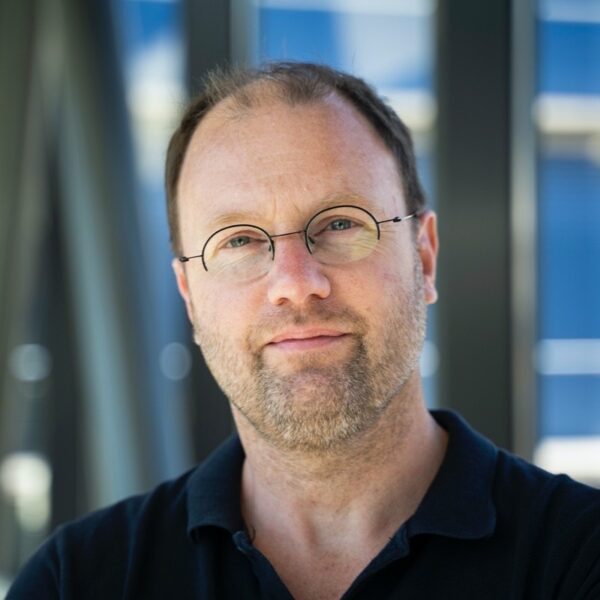
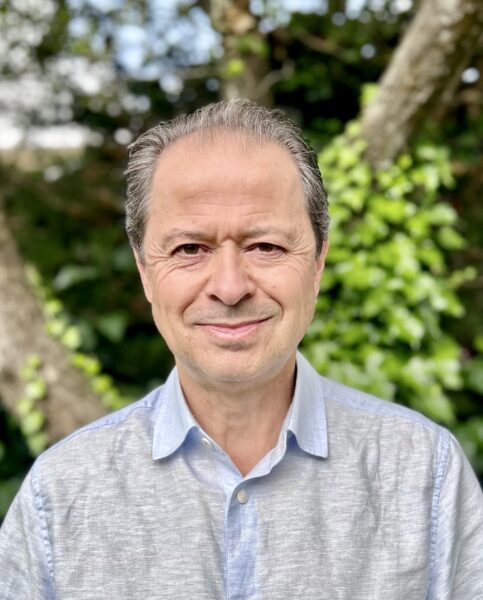
Andy led a programme of research in developmental genetics at the UKRI’s MRC Harwell Institute for 25 years. He now focuses on matters of governance and regulation. He was a board member of the HFEA for almost 10 years and chaired two expert panels that considered the safety and efficacy of mitochondrial donation. He was a member of the Nuffield Council on Bioethics (NCoB) and in 2016 chaired its working group that considered the ethics of genome editing. He was also a member of NCoB’s recent SCBEM working group. In 2019-2020, he was a member of the National Academies International Commission that considered possible clinical uses of heritable human genome editing. Since 2020, he has been a member of the Regulatory Horizons Council, an expert committee that advises the UK Government on the regulation of emerging technologies in diverse sectors. He also works with a number of UK regulators.
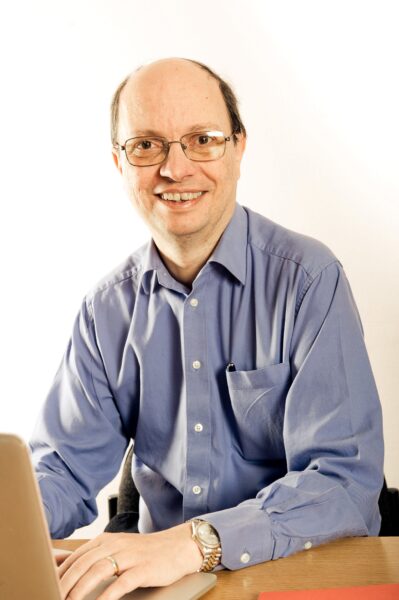
Søren Holm is a Danish medical doctor and philosopher. He has been researching ethical and legal issues in human reproduction since the mid-1980s and issues raised by human stem cell lines since they first became available. He sees himself as the thinking person’s conservative.
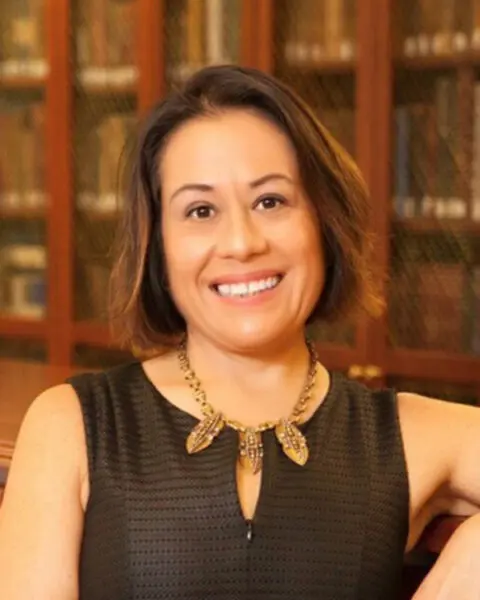
Rosario Isasi is Director of the Institute for Bioethics and Health Policy at the University of Miami and Associate Professor in the John T. Macdonald Department of Human Genetics at the Miller School of Medicine, with affiliations to the John P. Hussman Institute for Human Genomics, the Interdisciplinary Stem Cell Institute, and the University of Miami School of Law. An internationally recognized scholar, her work focuses on the ethical, legal, and policy dimensions of emerging biotechnologies, including genomics, precision medicine, regenerative medicine, and artificial intelligence. Her global leadership has been widely recognized, co-receipt of the 2025 Public Service Award from the International Society for Stem Cell Research. Professor Isasi holds several prominent leadership roles across national and international organizations.
Kirstin R.W. Matthews, Ph.D., is a senior fellow in science and technology policy at Rice University’s Baker Institute for Public Policy and a lecturer in the Department of BioSciences at Rice University. Matthews is the director of the Baker Institute Science and Technology Policy Program. Her research focuses on ethical and policy issues at the intersection between biomedical research and policy, including vaccines, stem cells, synthetic biology, and genomic medicine. Matthews also collaborates with Kenneth Evans and Neal Lane to understand how scientific advice is used in and provided for the U.S. federal government, including the White House Office of Science and Technology Policy (OSTP) and the President’s Council of Advisors on Science and Technology (PCAST). Matthews has a B.A. in biochemistry from The University of Texas at Austin and a Ph.D. in molecular biology from The University of Texas Health Science Center at Houston.
Heidi Mertes is an associate professor in Medical Ethics at Ghent University, where she is a founding member of the Bioethics Institute Ghent and of the Metamedica platform. Her main area of research is the ethics of reproductive medicine in general and more specifically ethical challenges in embryo research, fertility preservation, preimplantation and prenatal genetic testing, social egg freezing, stem cell derived gametes, genetic parenthood, genome editing, etc. She teaches courses in medical ethics, bioethics and moral sciences. She is the current chair of the Belgian Federal Commission for medical and scientific research on Embryo’s in vitro. She is also a member of the Belgian Advisory Committee on Bioethics and of the Ethics Committee of the European Society for Human Reproduction and Embryology (ESHRE).
Naomi's research focuses on how cells make fate decisions, and in particular, how these decisions are coordinated between cells to give rise the patterns that arise through development.
Director of Progress Educational Trust (PET) and Commissioning Editor of BioNews. Host of the Progress Educational Trust podcast. Trustee at the British Fertility Society.

Ana's research focusses on exploring the ethical ramifications of stem cell-derived gametes (SCDGs) and contributing to the development of tangible guidelines, capable of harnessing the potential of SCDGs as valuable research tools, whilst remaining conscientious of morally and legally acceptable practices.
Professor Jose M. Polo FAA, FAHMS, is the inaugural Director of the Adelaide Centre for Epigenetics (ACE), Program Leader at SAiGENCI, Adelaide University, and Group Leader at Monash University. A leading expert in cellular reprogramming, epigenetics, and stem cell biology, his work includes developing organoid models from iPSCs and in vitro models of placenta and early human embryos. Since earning his PhD in 2008, he has advanced research in development, cancer, ageing, and neurodegenerative diseases. His contributions have earned multiple accolades, including the Metcalf Award, NHMRC Fiona Stanley Research Excellence Award, and the President’s Medal from ANZSCDB. In 2024, he was elected Fellow of the Australian Academy of Science and in 2025 he was elected Fellow of the Australian Academy of Health and Medical Science and appointed Scientic Lead for EMBL Australia. He co-founded Cell Mogrify Pty Ltd in 2016 to translate reprogramming into therapies, with the company receiving several innovation awards.
Sandy Starr is Deputy Director of the Progress Educational Trust (PET), a charity that improves choices for people affected by infertility and genetic conditions. For 20 years, Sandy has worked with PET to improve public, professional and policy understanding of assisted conception, genomics and embryo/stem cell research. He has addressed MPs in the UK Parliament on the subject of human embryo research, and he worked closely on the successful campaign to change UK law to permit the use of mitochondrial donation in treatment. Sandy was Project Consultant for the UK's Code of Practice for the Generation and Use of Human Stem-Cell-Based Embryo Models, published jointly by PET and Cambridge Reproduction. He has also devised PET exhibits and activities for the Science Museum in London – exploring human/animal hybrids, stem-cell-based embryo models and human augmentation – and he has written and lectured about genome editing for the Thackray Museum of Medicine in Leeds.
Jeremy Sugarman, MD, MPH, MA is the Harvey M. Meyerhoff Professor of Bioethics and Medicine in the Department of Medicine and the Berman Institute of Bioethics at the Johns Hopkins University. He is an internationally recognized leader in bioethics with particular expertise in applying empirical methods for evaluating and analyzing bioethical issues. His contributions include work on the ethics of informed consent, stem cell-related research, international HIV prevention research, global health and research oversight. Dr. Sugarman has been elected as a member of the American Society of Clinical Investigation, Association of American Physicians, and the National Academy of Medicine (formerly the Institute of Medicine). He is a fellow of the American Association for the Advancement of Science, the American College of Physicians and the Hastings Center. He also received a Doctor of Science, honoris causa, from New York Medical College.

Dr Ilke Turkmendag is Reader in Biomedicine and Society at Newcastle Law School, Newcastle University. Her interdisciplinary research spans Science and Technology Studies (STS), medical sociology, and bioethics, focusing on the socio-legal and ethical implications of emerging biotechnologies. Her research focused on human reproductive and biomedical technologies, including donor conception, embryo research, human egg provision for stem-cell science, mitochondrial replacement techniques, maternal epigenetics, human germline editing, and longevity technologies, with particular attention to their social, ethical, and regulatory consequences. She has received funding from the Foundation for the Sociology of Health and Illness, ESRC/BBSRC, and the British Academy/Leverhulme Trust. She currently holds a BBSRC grant supporting collaborative ageing-research initiatives with the Babraham Institute and a Marie Skłodowska-Curie Staff Exchange award (REVICON). Dr Turkmendag is a member of the Wellcome Trust Social Sciences Discovery Advisory Group and the AHRC Peer Review College, has served on leading socio-legal committees, and regularly contributes to public and policy engagement, including work with the Nuffield Council on Bioethics.
Hannes Wolff studied law at the University of Passau after training and working as a ship mechanic with Hamburg Süd, Hamburg. Hannes participated in the Vis Moot in 2015/16. He is a Legal Research Officer at the German Federal Constitutional Court. He worked previously at the University of Passau, where he coached the Jessup Team and obtained his doctoral degree with a thesis in bioethics and biotechnology law. Hannes is certified as a translator for the English language by the Regional Court of Hannover.
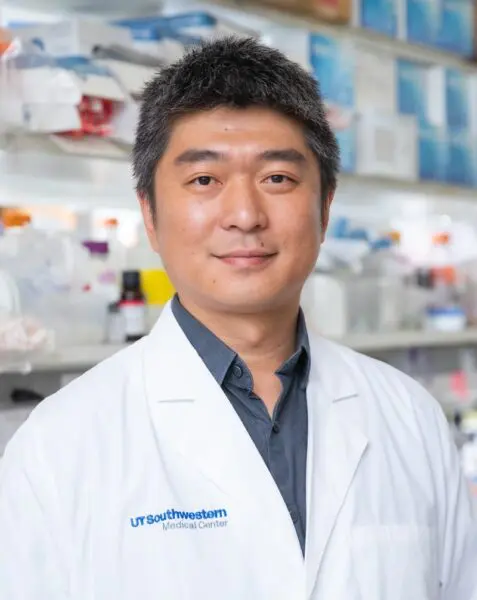
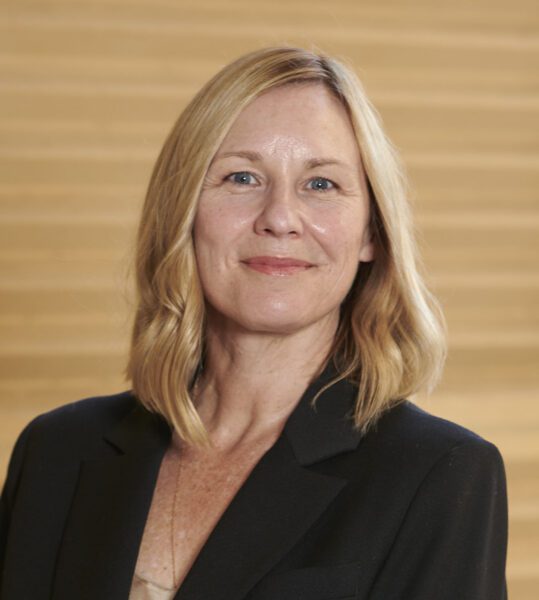
Amander Clark PhD is Professor and former Department Chair of Molecular Cell and Developmental Biology at UCLA and Founding Director of the UCLA Center for Reproductive Science, Health and Education. Professor Clark is an internationally recognized expert in stem cell biology, developmental biology and reproductive science. Her current interests involve the use of stem cell technologies to improve the health and health span of women. Professor Clark has authored more than 100 scientific articles and is a sought after speaker and educator. From 2023-2024 Clark served as President of the International Society for Stem Cell Research, a global non-profit that promotes excellence in stem cell science and applications to human health, and from 2023-2025 she served on the National Academy of Science Engineering and Medicine Health Science Policy Board. She is currently serving on the executive committee for the Center for the Study of Women/Barbra Streisand Center. Through her research, service and teaching, Professor Clark is committed to scientific practices that are informed by multidisciplinary research and engagement with the public.
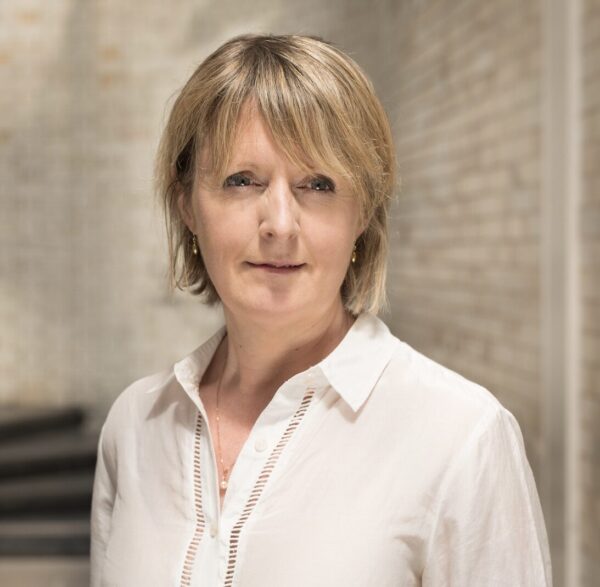
Emily is a Professor of Law at LSE, where she specialises in medical law, with particular emphasis upon the regulation of reproduction, end of life issues, biotechnology and medicines. She was a Member of the British Medical Association Medical Ethics Committee for 17 years, and a Member and then Deputy Chair of the Human Fertilisation and Embryology Authority for nine years. She is a Fellow of the British Academy and has served as a Judicial Appointments Commissioner. Emily recently chaired the Nuffield Council on Bioethics Working Group on Neural Organoids, and currently holds a Leverhulme Major Research Fellowship for a project on the regulation of embryo models, organoids and in vitro gametogenesis.
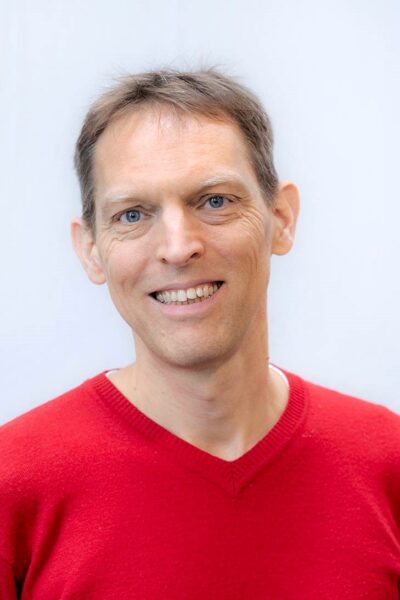
The lab of Hendrik Marks focuses on epigenetic mechanisms regulating early cellular specialization. His team pioneered a 2D model of mouse peri-implantation genome regulation, using female cells to unravel the dynamics of X-linked gene silencing. He initiated single-cell studies on cellular interplay within mouse gastruloids (ENW XL grant 2022, main applicant). By means of a public-private partnership with Fluidigm, his team developed miniaturized platforms for -omics profiling on embryo models. Recently, he successfully initiated a new research line on pre-implantation human embryogenesis, investigating aneuploidies (ZonMW Open grant, 2024) and sex differences (ZonMW TOP, 2025). Hendrik is actively involved in discussions surrounding human Stem Cell-Based Embryo models (SCBEM), for example within “Holland's Next Embryo Model”, opening up a societal dialogue about possibilities and (ethical) concerns of human SCBEMs. He is advisor for consortia on gametes and gastruloids, and main organizer of the Dutch international embryo model meeting (Nijmegen 2025, Utrecht 2026).

Mubeen Goolam is the Principal Investigator of the African Brain Organoid Lab in the Department of Human Biology and the Neuroscience Institute at the University of Cape Town. Mubeen completed his PhD in in Physiology, Development and Neuroscience followed by a post-doctoral position in the Sir William Dunn School of Pathology at the University of Oxford. In 2020 he joined the University of Cape Town to establish his independent research group. Research in the Goolam lab focuses on using stem cells to model development and disease in culture. They are developing the first African-specific models of the brain to investigate neural development and disorder.
Angelina is an empirical bioethicist with expertise on qualitative interviews, quantitative questionnaires, and normative analysis. She is now working on a BMFTR-funded study on human stem-cell based embryo models (SEEM), which investigates the ELSI issues from stakeholders and the general public.
Dianne Nicol holds the position of Distinguished Professor Emerita in the Law Faculty at the University of Tasmania in Australia. Dianne has a background in science as well as law, with a PhD in cell biology. She is a fellow of the Australian Academy of Law and the Australian Academy of Health and Medical Sciences. Dianne’s research focuses primarily on the regulation and governance of emergent health technologies, together with commercialisation and patenting of biotechnological inventions. She is particularly interested in how ethical norms and social values shape regulation. She is a chief investigator on two new stem cell-related projects, awarded in 2026 by the Australian Medical Research Futures Fund, one of which focuses particularly on embryo models.
Misao Fujita is Professor of Bioethics at the Center for iPS Cell Research and Application (CiRA) and the Institute for the Advanced Study of Human Biology (ASHBi), Kyoto University. She serves on the ISSCR Ethics Committee, the Expert Panel on Bioethics of the Council for Science, Technology and Innovation (Cabinet Office, Japan), and several other national committees on bioethics and life sciences. Her research focuses on ethical, legal, and social issues in advanced life sciences, including human iPS cell research, human embryo model research, in vitro gametogenesis, and unproven cell-based interventions, with particular attention to governance, regulation, and public engagement.
Nora Schultz is a research officer with the German Ethics Council with a background in developmental biology and journalism. At the Germany Ethics Council, she has covered topics ranging from genetic testing, stem cell research and human-animal mixtures to biosecurity, brain death, big data, AI and neurotechnology. Nora coordinated the German Ethics Council’s three-year work program on genome editing in human reproduction, which culminated in the report "Intervening in the Human Germline" published in May 2019.
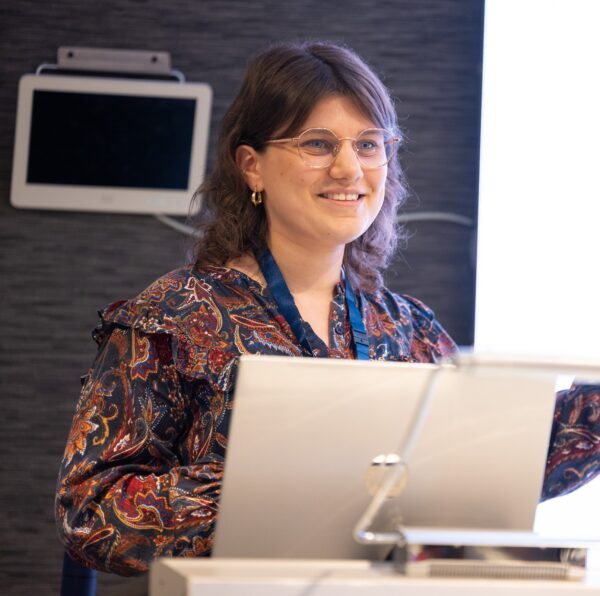
Ophélie Sauzeau is a PhD researcher at the Centre for Biomedical Ethics and Law at KU Leuven (Belgium), where her work focuses on the ethical and governance challenges raised by stem cell-based embryo models. She holds two Master’s degrees from Université Paris-Saclay, in Reproductive Biology and in Research Ethics. Her previous research experience includes work at Johns Hopkins University, McGill University and Institut Pasteur, with projects spanning female infertility, granulosa cell biology, developmental biology and neural stem cells. Her bioethics research has addressed reproductive technologies, preimplantation genetic testing for aneuploidy, virginity testing and sex verification in female elite sport. She is currently part of the Marie Skłodowska-Curie Actions Doctoral Network IMPLANTEU, supervised by Prof. Dr. Pascal Borry, Prof. Dr. Vincent Pasque, Dr. Maria Siermann and Dr. Paola Occhetta.
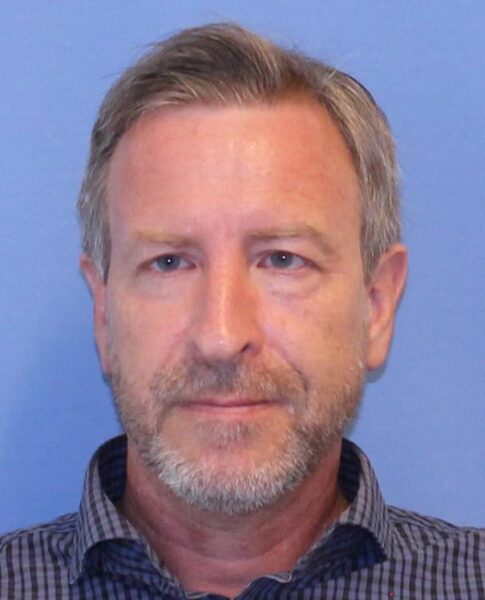
Stefan Krauss Deiml M.D. is professor and director of the Centre of Excellence Hybrid Technology Hub at the Institute of Medical Biology, University of Oslo and the Oslo University Hospital (https://www.med.uio.no/hth/english/). He has a background in medicine, developmental biology, developmental signaling and micro-physiological systems. His discovery of the key vertebrate signal Shh was identified as one of the 24 Milestones in Development by the journal Nature. He is currently focusing on applying morphogenetic signaling to advance organoid development, stem cell-based embryo models and integration on-chip. He coordinates the European Innovation Council funded project Supervised Morphogenesis (SUMO; https://supervised-morphogenesis.eu) and heads the Norwegian NAM emerging technology program. Stefan Krauss has published 141 peer reviewed articles (including in Cell, Nature and Nature Journals) and 8 patents.